Emergency Plumbing in Rainy Season: What Seattle Homeowners Need to Know
In Seattle, rain is a way of life. From light showers that last for days to sudden downpours that flood streets, the city’s constant moisture can put serious pressure on home plumbing systems. Many homeowners do not realize that extended wet weather affects more than just the roof and gutters. It also impacts underground pipes, drains, and even the foundation of the home.
When the soil around a house becomes saturated, it creates hydrostatic pressure that pushes against plumbing lines and basement walls. This pressure can lead to slow drains, unexpected backups, or even burst pipes if the system is already worn down. Older plumbing, debris buildup, or tree roots in the line can make these issues worse once the rain starts falling.
In this blog, we will explain how heavy rainfall affects Seattle plumbing systems, the most common plumbing emergencies to watch for, and the steps you can take to protect your home before the next storm hits.
How Heavy Rain Impacts Home Plumbing Systems
Seattle’s long rainy season does more than fill puddles and overflow gutters. It also puts tremendous strain on your home’s plumbing system. When the ground stays soaked for weeks, excess water has nowhere to go, and that can create hidden pressure points throughout your pipes, drains, and foundation.
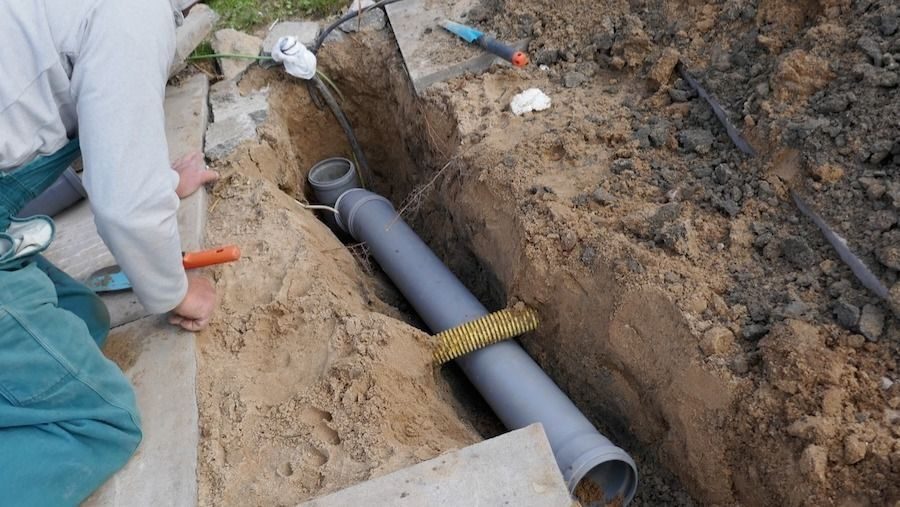
- Saturated soil increases pressure on pipes: When the soil around your home becomes oversaturated, it expands and presses against underground plumbing lines. This pressure can cause small cracks or leaks that worsen over time, especially in older metal or clay pipes.
- Sewer systems can become overloaded: Heavy rainfall can overwhelm Seattle’s combined sewer system. When storm drains and sewers fill too quickly, water can back up through floor drains, toilets, or basement plumbing fixtures, creating an unsanitary mess.
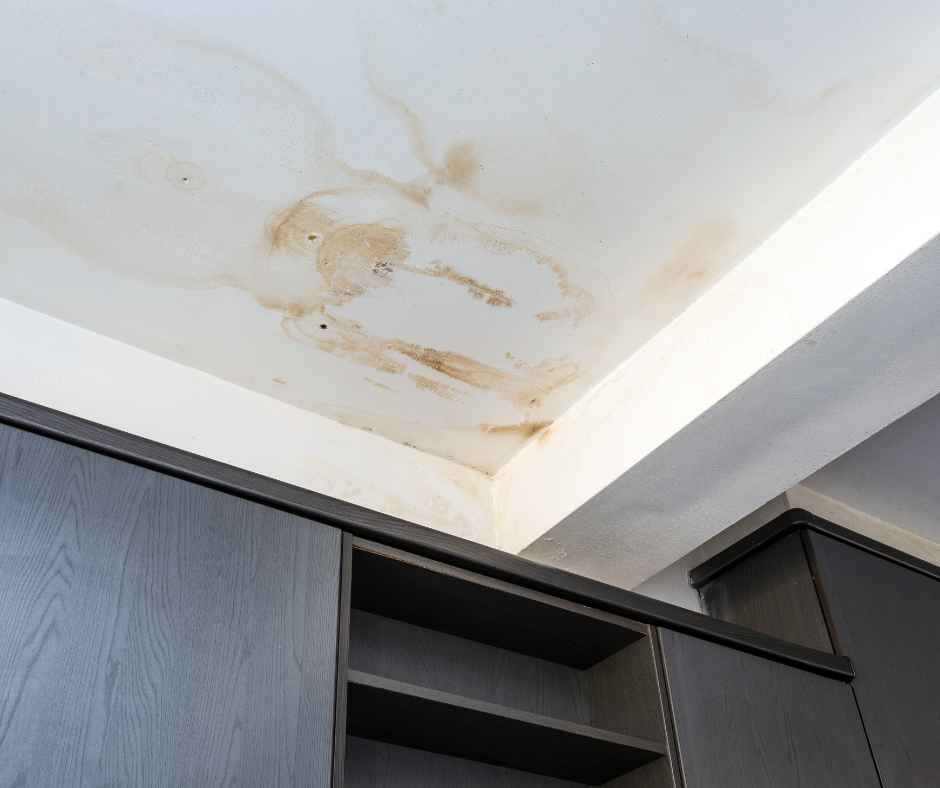
- Foundation and basement leaks: Continuous rainwater can seep through small foundation cracks, leading to damp basements or standing water around your home’s lowest level. Persistent moisture also increases the risk of mold and mildew growth.
- Drainage issues on your property: Poorly graded yards or clogged outdoor drains allow rainwater to collect near your foundation. This extra pooling puts added stress on sump pumps and can lead to erosion around buried pipes.
- Strain on sump pumps and backflow systems: During heavy rain, sump pumps often run nonstop to remove excess water. Without regular maintenance, this constant use can cause pump failure at the worst possible time.
Understanding how rain interacts with your plumbing helps you take action before small issues turn into emergencies. A professional inspection before the rainy season begins can uncover weak spots, prevent backups, and keep your plumbing running smoothly, no matter how much it rains.
Common Emergency Plumbing Issues During Seattle’s Rainy Season
Seattle’s rainy season brings more than cloudy skies. It also creates the perfect conditions for plumbing emergencies. When pipes, drains, and sump systems are pushed to their limits by constant moisture, even a small problem can turn into a serious issue. Knowing what to watch for can help you react quickly and minimize damage.
- Clogged or slow drains: Leaves, dirt, and debris washed into outdoor drains can block water flow. When this happens, rainwater may back up into sinks, tubs, or basement drains. Regular cleaning and drain inspections help prevent these clogs before they cause flooding.
- Sump pump failure: A sump pump is the first line of defense against basement flooding. When heavy rain forces it to run continuously, the motor can burn out, or the float switch can get stuck. Testing and servicing the pump before storms arrive can keep it working when you need it most.
- Burst or leaking pipes: Sudden shifts in water pressure from overloaded systems can cause older or corroded pipes to burst. These leaks often start underground or behind walls, leading to hidden water damage.
- Sewer backups: When Seattle’s combined sewer system becomes overwhelmed, sewage can flow back into home drains. Warning signs include gurgling toilets, foul odors, or water pooling around floor drains. A backflow prevention valve can protect against this type of emergency.
- Basement or crawl space flooding: Continuous rainfall can push water through foundation cracks or unsealed windows. Installing or upgrading a sump pump and ensuring proper yard drainage can help prevent this common rainy-season problem.
Being aware of these risks allows you to prepare before heavy rain hits. Quick action and professional help from a trusted Seattle plumber can stop a minor inconvenience from becoming a major home disaster.
Preventive Maintenance Before the Rainy Season Starts
Preventing plumbing emergencies during Seattle’s rainy months begins with preparation. A few proactive steps before the weather turns wet can make a major difference in how your home’s plumbing performs all season long.
- Schedule a professional plumbing inspection: A licensed plumber can identify early warning signs like minor leaks, corrosion, or partial blockages that could worsen once heavy rain begins. Regular inspections keep your plumbing system ready for high water flow.
- Clean gutters and downspouts: When gutters overflow, water collects near the foundation instead of draining away from the house. Cleaning gutters and extending downspouts helps reduce the chance of basement leaks and foundation damage.
- Test your sump pump: Pour a bucket of water into the sump pit to make sure the pump activates and discharges properly. If it hesitates, runs loudly, or fails to start, schedule maintenance or replacement before storms arrive.
- Clear outdoor drains and catch basins: Yard debris, leaves, and mud can block outdoor drains and cause water to pool near the home. Keeping these clear ensures that rainwater flows safely away from your property.
- Inspect and seal foundation cracks: Even hairline cracks can let in water when the soil is saturated. Applying waterproof sealant or having a professional perform a foundation inspection helps keep your basement dry.
- Check backflow prevention devices: Backflow valves stop contaminated water from re-entering your home. Testing these systems ensures that they work properly when heavy rain overwhelms Seattle’s sewer system.
Taking these steps before the rain begins not only protects your home but also saves you from costly emergency repairs later. Preventive maintenance is one of the simplest ways to keep your plumbing running smoothly, no matter how much it rains.
What to Do When a Plumbing Emergency Strikes
Even with preparation, Seattle’s heavy rain can sometimes overwhelm your home’s plumbing system. When water starts backing up or pipes suddenly burst, acting quickly can help you limit damage and keep your home safe until professional help arrives.
- Shut off the main water supply: If a pipe bursts or a major leak occurs, turn off the main water valve right away. Knowing where this valve is located before an emergency can save you valuable time and prevent extensive flooding.
- Turn off electricity in affected areas: If water is pooling near outlets or appliances, switch off power to that section of the home to reduce the risk of electrical shock. Always do this safely and avoid contact with standing water.
- Contain and remove water when possible: Use towels, buckets, or a wet vacuum to remove standing water. The faster you can dry the area, the less likely you are to face lasting damage or mold growth.
- Avoid using plumbing fixtures: Do not flush toilets, run sinks, or use appliances connected to the plumbing system until the problem is resolved. Continued use could worsen backups or flooding.
- Call an emergency plumber immediately: A professional plumber can identify the source of the issue and begin repairs right away. In Seattle’s rainy season, prompt service is essential to prevent additional damage.
- Document damage for insurance claims: Take photos or videos of the affected areas before cleanup begins. These records can help support any claims for water or property damage.
Acting fast and calling an experienced plumber as soon as possible can make a big difference in how much you need to repair. Emergency plumbing situations are stressful, but knowing what to do helps you stay calm and protect your home until help arrives.
Stay Ahead of Seattle’s Wet Weather
Seattle’s rainy season may be predictable, but the plumbing problems it can cause often are not. Heavy rainfall, oversaturated soil, and aging infrastructure can quickly turn small leaks or slow drains into serious emergencies. Staying proactive is the best defense against costly damage and stressful repairs.
Regular inspections, seasonal maintenance, and fast response to early warning signs all help protect your home from the challenges that come with months of steady rain. Even simple steps, like cleaning gutters and testing sump pumps, can prevent water from finding its way inside.
When emergencies do happen, having a trusted local expert on your side makes all the difference. The Plumbing Joint has been serving Seattle homeowners for years, providing reliable service, honest advice, and lasting repairs through every storm. Contact The Plumbing Joint today to schedule a plumbing inspection or request emergency service. We are here to keep your home dry, safe, and protected through every season.
Frequently Asked Questions About Plumbing During Seattle’s Rainy Season
Why do plumbing problems get worse during heavy rain?
Rainwater saturates the ground around your home, putting pressure on pipes and foundations. This pressure can cause small cracks or leaks to worsen and may push debris into drains, leading to clogs and backups. Older plumbing systems are especially vulnerable during long periods of rainfall.
How can I tell if my sewer line is backing up from rain?
Warning signs include slow drains, gurgling noises, unpleasant odors, or water pooling around basement floor drains. If you notice any of these symptoms, stop using water immediately and call a licensed Seattle plumber before the problem spreads.
Should I turn off my sump pump during a storm?
No. Your sump pump is designed to handle excess water during storms. Instead of turning it off, make sure it is plugged in, the float switch moves freely, and the discharge line is clear. Testing it before the rainy season can help you avoid flooding when you need it most.
Can tree roots cause plumbing issues during rainy months?
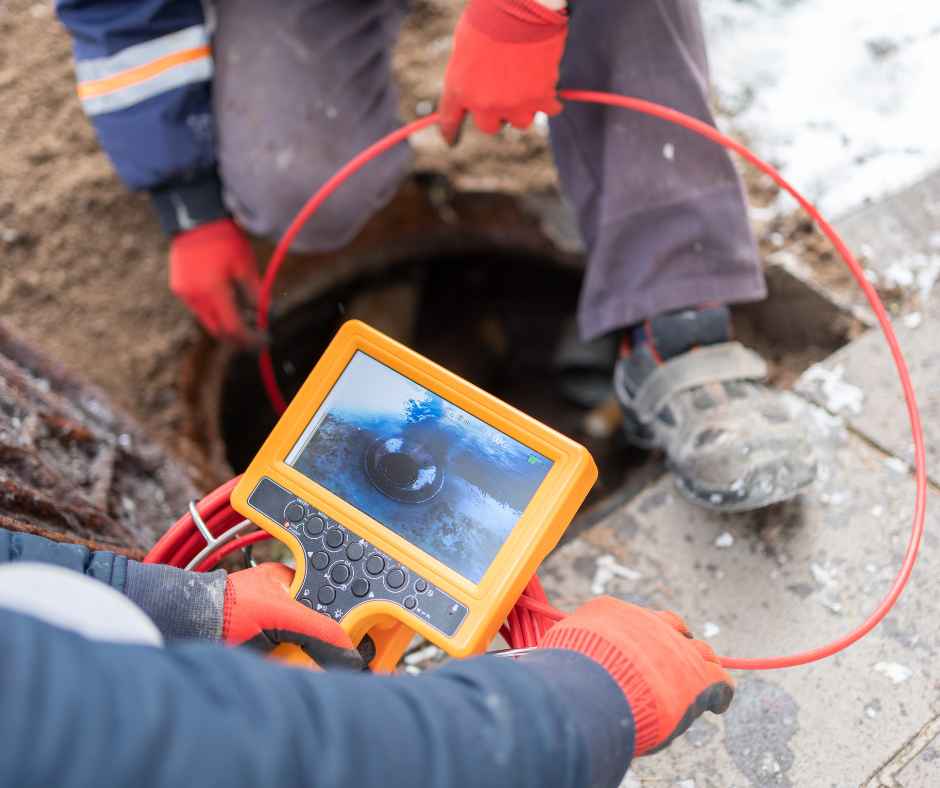
Yes. Extra moisture in the soil can cause tree roots to grow rapidly and seek out water sources inside underground pipes. This can lead to cracks, blockages, or even pipe collapse if left untreated. A professional camera inspection can detect and remove root intrusions safely.
What should I do if water starts flooding my basement?
Turn off power to the affected area if it is safe to do so, then shut off the main water supply. Use towels or a wet vacuum to remove standing water, but avoid using any plumbing fixtures until a professional arrives. Contact The Plumbing Joint right away for emergency assistance.