Serving Renton, Seattle
the East Side & Beyond!
the East Side & Beyond!

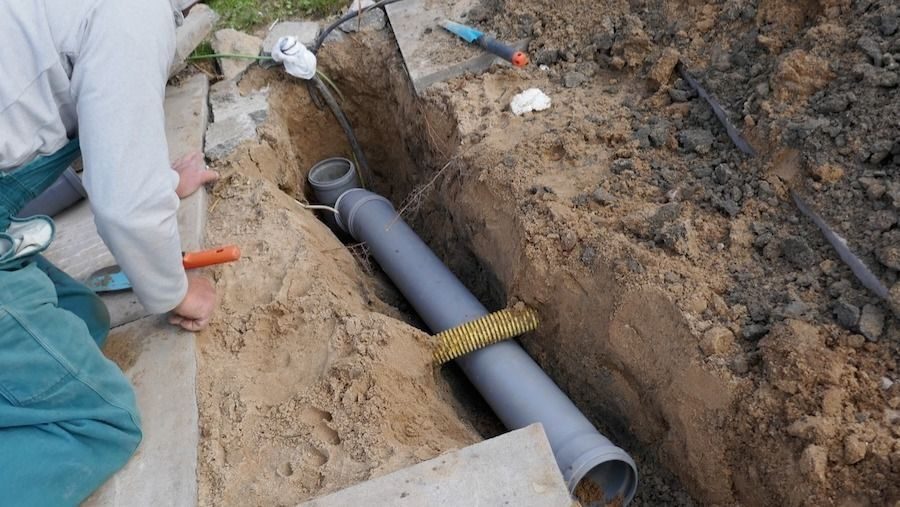
Tree root intrusion is one of the most common causes of problems with the main sewer line. In many homes, warning signs appear long before a full backup occurs, including recurring slow drains, gurgling toilets, sewage odors, and water backing up in lower fixtures. Catching those red flags early can help prevent major cleanup, property damage, and costly sewer repairs.
A main sewer line backup almost never feels sudden to a plumber. It only feels sudden to the homeowner.
In many cases, the warning signs were already there. A toilet that started bubbling once in a while. A shower that drained a little slower than normal. A drain smell that kept coming back. Those early problems are easy to ignore until the day wastewater shows up where it should not.
That is what makes root intrusion so expensive. Tree roots often enter the sewer line gradually, but once they do, the problem continues to grow. What starts as a partial blockage can eventually turn into a full main line backup.
In this guide, you will learn how tree roots enter sewer lines, which warning signs matter most, and how to spot root intrusion before it becomes a plumbing emergency.
Tree roots naturally grow toward moisture. If a sewer line has even a small crack, loose joint, weak connection, or aging section of pipe, roots can find their way in.
Once that happens, they do not stay small. Roots keep growing inside the line, catching toilet paper, waste, grease, and other debris as it passes through. Over time, that buildup narrows the pipe and slows drainage until the line can no longer move wastewater the way it should.
That is why root intrusion is so common in older sewer systems. The line does not have to be completely broken for roots to become a major problem. It only needs one vulnerable point.
In most homes, root intrusion begins with a small opening in the sewer line. That opening may come from:
Aging pipe joints
Minor cracks in older sewer lines
Pipe corrosion
Shifting soil
Previous wear or damage underground
Materials that have deteriorated over time
Once roots reach moisture within the pipe, they continue to expand. As they spread, they reduce the flow space within the line and make it easier for new debris to become trapped.
The result is usually not one sudden failure. It is a drainage problem that gets worse little by little.
One of the biggest mistakes homeowners make is waiting for a complete backup before taking the problem seriously. Sewer line problems often give warning signs first.
Early red flags can include:
Drains that are slow more than once
A toilet that gurgles or bubbles
Water backing up in a shower or tub when another fixture is used
Recurring clogs that seem to come back after clearing
Sewage smells near drains
Lower-level fixtures acting up before upper-level ones
A main line that has needed repeated drain clearing
These symptoms often point to a deeper blockage in the sewer system rather than an isolated fixture clog.
When more than one drain starts showing symptoms, the problem is more likely to be in the main line.
For example, if the toilet bubbles when the washing machine drains, or if water backs up into a tub when a sink is used, the issue may be happening beyond any one fixture branch. That is often a sign that wastewater is struggling to move through the main sewer line.
This matters because root intrusion usually affects the larger drain path serving the home, not just a single small fixture line.
Yes, and that is one of the clearest warning signs.
A normal clog may clear and stay gone. A root problem often recurs because the roots are still within the line even after some of the blockage is removed.
That is why homeowners often describe the issue like this:
“It was cleared a few months ago, but now it’s slow again.”
“The toilet backed up, then seemed fine, and now it’s happening again.”
“We keep having the same drain problem over and over.”
When the same drainage issue keeps returning, it usually means the real cause has not been eliminated.
A full main line backup is usually the end result of smaller warning signs that were already building.
Before the worst stage, homeowners may notice:
Frequent drain slowdowns
Toilet bubbling
Water showing up in the lowest drain first
A floor drain holding water
Bad smells after heavy water use
Sluggish drainage throughout the house
As the roots grow and collect more debris, the line has less and less space left. Eventually, heavy water use from laundry, showers, dishwashing, or multiple bathroom uses can push the system past its limit.
That is when sewage may back up into the basement, tub, shower, or floor drain.
In many cases, yes.
Older homes often have sewer lines made from materials and joints that are more vulnerable to cracking, separation, or deterioration over time. Years of soil movement, moisture exposure, and age can create the exact weak points roots need to get inside.
That does not mean newer homes are immune. But older sewer systems are usually more likely to have the kind of openings that invite root intrusion.
Absolutely.
Roots do more than block the line. As they expand, they can worsen cracks, force joints apart, and increase structural damage inside the sewer pipe.
That is one reason root intrusion should not be treated like a simple clog. Even if the immediate blockage is removed, the sewer line may still be compromised. If the damaged area is left alone, roots can return, and the pipe condition may continue worsening.
Waiting usually leads to a more expensive and more disruptive problem.
Root intrusion can eventually cause:
Main line backups
Sewage cleanup inside the home
Drainage failure during heavy water use
Repeated emergency service calls
Pipe damage that gets worse over time
More extensive sewer repair work later
The hidden cost of waiting is that a manageable sewer warning sign can turn into a full plumbing emergency.
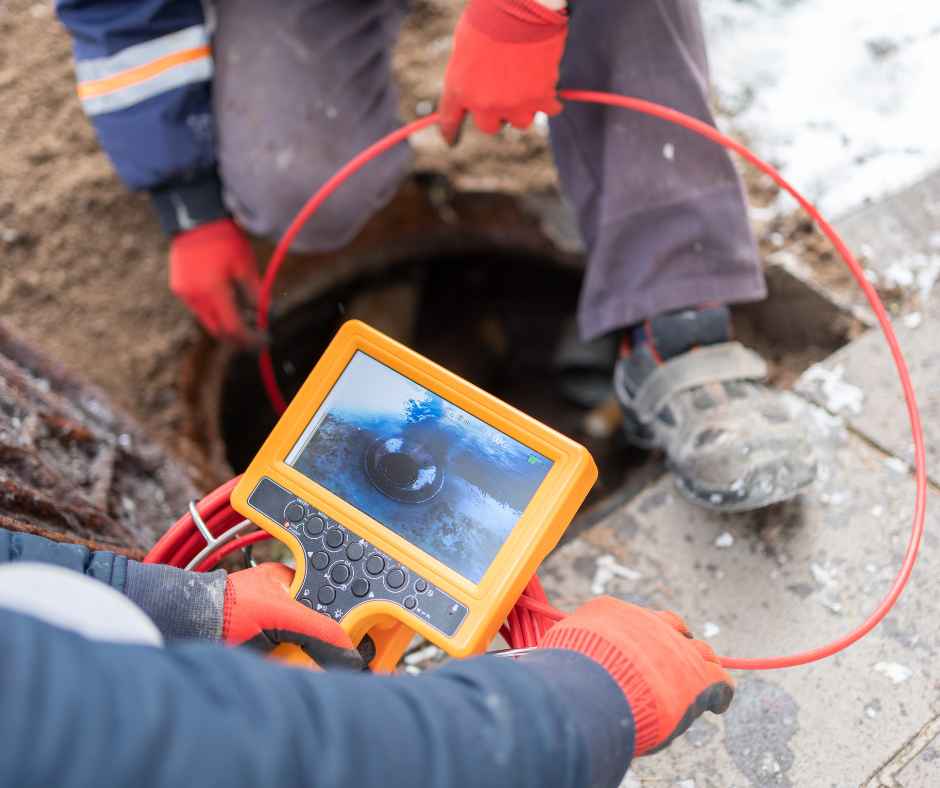
When root intrusion is suspected, the goal is to confirm what is actually happening inside the line.
That usually involves evaluating the pattern of symptoms and inspecting the sewer line to see whether roots, damage, or another blockage is present. This helps determine whether the problem is:
A temporary obstruction
Active root intrusion
A broken or separated sewer line
A recurring main line issue that needs repair, not just clearing
Identifying the actual cause matters because recurring sewer problems should be solved at the source, not just temporarily opened enough to drain again.
Sometimes, sewer line red flags show up outside as well.
Possible signs include:
Unusually green patches in the yard
Wet or soft areas over the sewer line
Persistent sewer odors outdoors
Soggy ground with no obvious explanation
These signs can indicate an underground sewer line problem, especially when they appear alongside indoor drainage issues.
The best protection is early action.
If you notice recurring drain problems, toilet bubbling, or signs that multiple fixtures are being affected, do not assume it is just another clog. Addressing the issue early can help prevent a much larger sewer event later.
Helpful steps include:
Taking recurring slow drains seriously
Watching for multi-fixture symptoms
Paying attention to gurgling toilets
Investigating sewer odors that return
Addressing repeat mainline issues before they become emergencies
The sooner root intrusion is identified, the better the chance of preventing a major backup.
When tree roots are affecting the main sewer line, these are usually the signs that matter most:
Recurring slow drains instead of one isolated clog
Toilets that bubble or gurgle
Water backing up into tubs or lower drains
Multiple fixtures showing symptoms at once
Sewage odors inside or outside the home
Drain problems that keep coming back after clearing
Evidence that the blockage may be in the main line, not one fixture
A main sewer line backup usually gives homeowners a chance to catch it early. The problem is that root intrusion often starts quietly and goes unnoticed until the damage is significant.
The Plumbing Joint can help determine whether recurring drain problems point to root intrusion, a main line blockage, or a deeper sewer line issue. If your home is showing the early warning signs, now is the time to act before a small red flag turns into a major backup. Contact The Plumbing Joint today to get started.