Serving Renton, Seattle
the East Side & Beyond!
the East Side & Beyond!

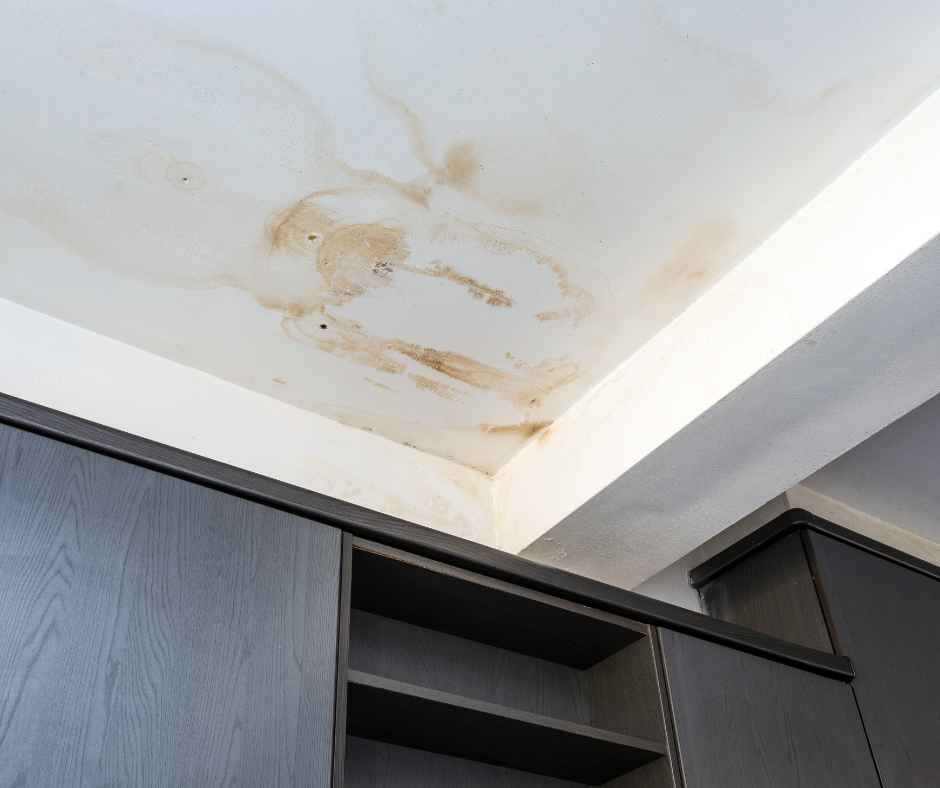
Some of the most expensive plumbing leaks in Seattle homes are the ones homeowners do not notice right away. Slow toilet leaks, dripping faucets, worn fixture connections, under-sink leaks, and hidden pipe leaks can quietly waste water for weeks or months before they cause obvious damage or a much higher utility bill.
Most homeowners expect a plumbing leak to announce itself. A burst pipe, water on the floor, or a dripping ceiling is hard to miss. But many of the leaks that drive water bills up in Seattle homes are much quieter than that.
They hide in running toilets, loose supply lines, aging shutoff valves, dripping outdoor spigots, and small plumbing connections that leak just enough to waste water without drawing much attention. By the time the bill jumps, the leak may have been there for a while.
In this guide, you will learn where hidden water waste usually occurs, how to spot early warning signs, and what Seattle homeowners can do to catch leaks before they become costly.
Hidden leaks are expensive because they waste water slowly and continuously. A homeowner may not notice a small leak from a fixture right away, especially if it is behind a toilet, under a sink, or in a crawl space.
That is what makes these leaks different from obvious plumbing failures. They do not always create a dramatic mess at first. Instead, they quietly add cost over time.
In many homes, the biggest issue is not one major pipe break. It is a minor plumbing problem that persists for too long.
Most hidden leaks show up in the same few areas again and again.
Common water wasters include:
These problems are easy to miss because they often start small.
Toilets are one of the most common sources of wasted water because they can leak internally without leaving water on the floor. A worn flapper, a fill valve issue, or a bad seal can let water keep moving through the tank and bowl long after the flush is over.
That means the toilet may still look normal from the outside while quietly wasting water throughout the day.
Common toilet leak signs include:
A running toilet can waste a surprising amount of water before anyone realizes it.
Yes. A faucet drip may not seem serious, but it can waste water every day if it runs long enough. Kitchen faucets, bathroom sink faucets, tub faucets, and utility sink fixtures can all become small but steady sources of waste.
What makes these leaks easy to ignore is that they feel minor. But a “minor” drip that never stops is still constant water use.
If a faucet is dripping, squealing, or getting harder to shut off completely, it is worth addressing before the problem gets worse.
Under-sink leaks are some of the most commonly missed plumbing problems because most homeowners do not check those spaces often. A slow leak at the trap, drain connection, shutoff valve, or supply line may stay hidden until someone notices staining, odor, or cabinet damage.
Warning signs include:
Even when the water waste itself is not huge, under-sink leaks can still cause damage while they go unnoticed.
Absolutely.
Outdoor hose bibs, exposed spigots, irrigation lines, and exterior hose connections can all leak without getting much attention. In some homes, a slow outdoor leak may blend in with normal moisture, landscaping runoff, or weather conditions.
Outdoor plumbing problems are especially easy to miss if:
A leaking outdoor faucet may not damage the inside of the home, but it can still waste water and raise the bill.
Not every leak comes from a fixture you can see. Some of the costliest water wasters happen in concealed plumbing lines behind walls, under floors, or in crawl spaces.
Signs of a hidden pipe leak can include:
These leaks are more serious because they can waste water and damage the home simultaneously.
Because water waste often starts before visible damage does.
A slow leak can increase water use for weeks before it leaves a stain or puddle. That is why the utility bill is often one of the first warning signs that something is wrong.
If your bill suddenly jumps without a clear change in water use, it is worth treating that as a plumbing red flag. It may mean:
A higher bill is often the earliest clue that the leak has been active longer than you realized.
A few basic habits can help catch water waste earlier.
Helpful checks include:
That last step is especially useful. If no one is using water and the meter is still moving, there may be a hidden leak somewhere in the system.
The most overlooked leak zones are usually the least visible ones.
That often includes:
Homeowners tend to check the areas they use most. The problem is that leaks often happen in places that are not looked at often enough.
A small leak is still a leak. Even when the water waste seems minor, the real risk is that the issue may worsen or go unnoticed for much longer than expected.
A small leak should be addressed quickly when:
Waiting usually means paying for the leak longer and increasing the chance of property damage.
The best way to reduce water waste is to catch problems early.
Smart prevention steps include:
A quick plumbing check now is often much cheaper than a month of wasted water plus repair damage later.
When Seattle homeowners want to catch leaks before they spike the bill, these are the issues that usually matter most:
The most frustrating plumbing leaks are often the quiet ones. They do not always create an immediate mess, but they can still waste water, damage the home, and drive your utility bill up faster than expected.
The Plumbing Joint can help Seattle homeowners identify hidden leaks, track down unexplained water waste, and fix plumbing problems before they become more extensive repairs. If your water bill has increased or your home shows signs of a hidden leak, contact us immediately.