Serving Renton, Seattle
the East Side & Beyond!
the East Side & Beyond!

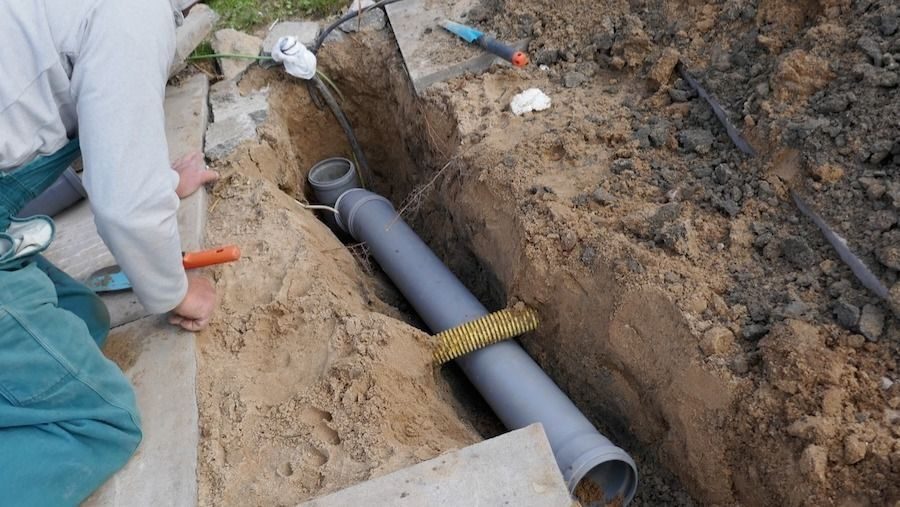
An unexplained wet area in your yard can come from rain, irrigation, poor drainage, or a plumbing leak. When that soggy area is paired with a persistent sewer odor, slow drains, gurgling toilets, or recurring backups, a damaged side sewer becomes much more likely.
In this guide, you will learn which outdoor and indoor warning signs may point to a sewer line problem, how Seattle’s wet weather can complicate the diagnosis, and when a professional sewer inspection makes sense. The goal is to identify the source before a small underground defect turns into a larger repair.
Yes. A cracked, separated, blocked, or deteriorated side sewer can leak wastewater into the surrounding soil, creating persistent wet areas and unpleasant odors.
Those symptoms are especially concerning when they appear together with:
Multiple slow drains
Toilets that gurgle
Recurring main-line clogs
Wastewater backing up into a tub or shower
Soft or sinking soil
Strong sewage odors near one area of the yard
Wet ground that does not match recent rainfall
Seattle Public Utilities refers to the private pipe connecting a property to the public sewer main as a side sewer. Property owners are generally responsible for maintaining that private line up to its connection with the public system. (seattle.gov)
A sewer line carries wastewater away from the home. If the pipe develops a crack, loose joint, hole, or other opening, some of that wastewater may escape into the surrounding soil.
The result may be:
A constantly damp section of lawn
Soft or muddy ground
A patch of unusually green grass
Soil erosion
A small depression in the yard
Standing water near the sewer route
The amount of visible moisture depends on the size and location of the defect.
A small leak deep underground may not create an obvious puddle. A larger leak closer to the surface may make the ground noticeably soggy.
Wet soil alone does not prove that a sewer pipe is broken. Irrigation leaks, roof runoff, groundwater, and poor yard grading can create similar conditions.
The pattern matters. A wet spot that remains after several dry days, smells unpleasant, or appears along with indoor drainage problems deserves more attention.
Sewer odors outside can come from wastewater escaping from a damaged underground pipe, but that is not the only possible cause.
Other sources may include:
A leaking cleanout
A damaged sewer connection
A blocked or overflowing drain
A venting problem
Wastewater near the surface
A nearby public sewer issue
Septic components on properties that use septic systems
A sewer smell that appears occasionally during certain weather conditions may be different from an odor that remains concentrated near one location.
If the smell is strongest near a wet patch, cleanout, or known sewer route, the side sewer should be considered as a possible source.
Sewer gas odors inside the home can also point to dry traps, venting issues, or drainage problems, so the odor should be evaluated in context rather than used as a standalone diagnosis.
The combination of outdoor and indoor symptoms is usually more meaningful than any one sign by itself.
Pay closer attention when you notice:
A wet spot that stays damp during dry weather
Sewage odors concentrated near one area
Several fixtures draining slowly
Toilets gurgling when sinks or appliances drain
Water rising in a shower or tub
A main-line clog that keeps returning
Soil beginning to sink or settle
Drain problems worsening during periods of heavy household water use
For example, a soggy yard after a week of rain may be a drainage issue. A soggy yard with sewage odor and multiple slow drains is more suspicious.
A professional inspection is especially useful when the same symptoms keep returning after drain cleaning.
Side sewers can develop defects for several reasons, especially as pipes age.
Common causes include:
Tree-root intrusion
Cracked pipe walls
Separated joints
Corrosion
Aging pipe materials
Ground settlement
Improper slope
Offset connections
Repeated blockages
Partial collapse
Tree roots are a common concern in established Seattle neighborhoods. Roots may enter through cracks or loose joints, then grow inside the pipe and collect debris.
Seattle Public Utilities specifically recommends side-sewer inspection and cleaning in areas with older infrastructure and heavy tree coverage. It also notes that property owners are responsible for removing roots from their side sewer, including at the connection to the public main. (seattle.gov)
Ground movement can also change pipe alignment. Even a small offset may catch paper, grease, or other material and contribute to recurring clogs.
Yes. Seattle’s frequent rain can create wet lawns, saturated soil, roof runoff, and temporary drainage problems that have nothing to do with a broken sewer.
That is why timing matters.
Ask yourself:
Does the area become wet only after storms?
Does it dry out during a stretch of clear weather?
Is a downspout draining nearby?
Is irrigation contributing to the moisture?
Is the wet spot near a low area of the yard?
Does the area smell like sewage?
Are plumbing fixtures inside also acting differently?
Rain can also make an existing side-sewer problem more noticeable.
Seattle Public Utilities notes that heavy rain can contribute to sewer backups when excess water enters the system and when private side sewers already have blockages or defects. (seattle.gov)
A wet spot that persists well after the rain stops is more concerning than one that follows the normal drainage pattern of the yard.
A side-sewer problem often affects more than one plumbing fixture because multiple drains eventually connect to the same main line.
Watch for:
Several slow drains
Toilets that flush poorly
Gurgling sounds
Water backing up into a tub or shower
Sewer odors from multiple drains
A washing machine causing another fixture to back up
Frequent need for main-line cleaning
The lowest fixtures in the home may show symptoms first because wastewater backs up at the lowest available opening.
One slow bathroom sink is more likely to have a local clog. A toilet, shower, and kitchen sink acting up at the same time is more suggestive of a deeper drainage problem.
If sewage is actively backing up, reduce water use until the line is inspected.
A plumber can use a combination of drain cleaning, camera inspection, and line locating to determine what is happening underground.
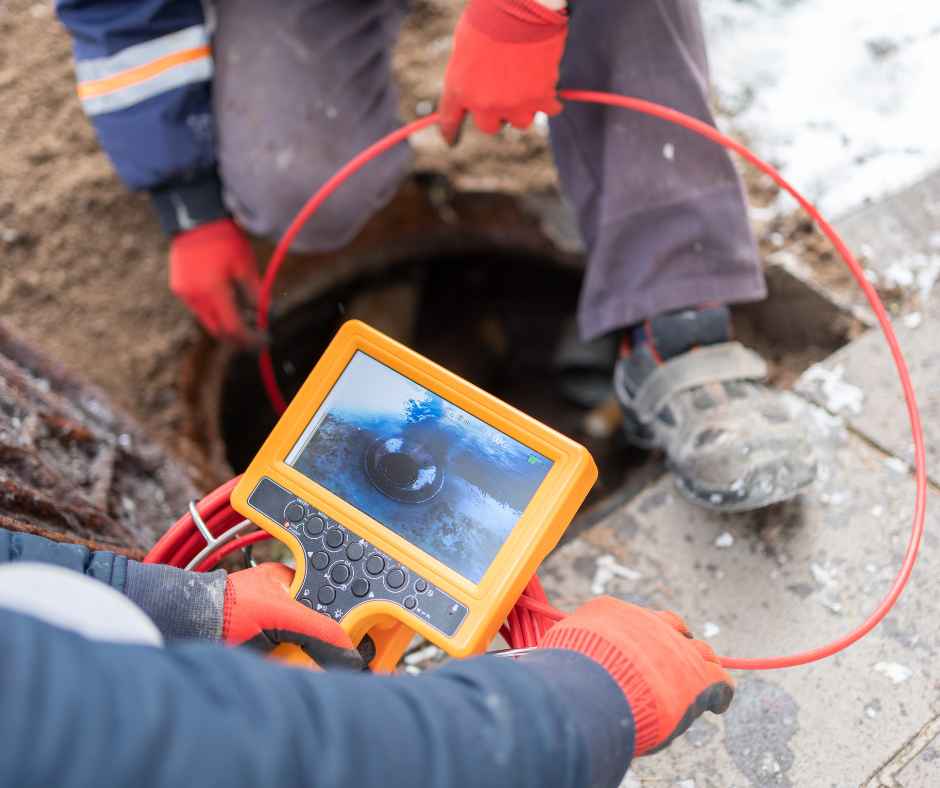
A sewer camera inspection involves feeding a waterproof camera through the line. It may reveal:
Roots
Cracks
Offset joints
Corrosion
Standing water
Heavy buildup
Partial collapse
Foreign objects
The camera helps determine whether the problem is a blockage, a structural defect, or both.
A line locator can help identify the approximate location and depth of a defect. That information becomes important if repair or excavation is needed.
The line may need to be cleaned before the camera can pass through a major obstruction. In those cases, a follow-up scope can provide a clearer view of the pipe after debris has been removed. Seattle Public Utilities recommends video inspection as a way to understand the condition of a private side sewer.
In Seattle, the property owner is generally responsible for the private side sewer from the home to the connection with the public sewer main.
Seattle Public Utilities maintains the public main itself.
This distinction matters because a blockage or leak may be:
Inside the house
In the private side sewer
Near the public connection
In the public sewer main
Shared side sewers can be more complicated because multiple properties may share responsibility for maintenance and repairs.
Seattle also requires permits for certain side-sewer repair and replacement work. Requirements may apply even when part of the private pipe extends into the public right-of-way.
Before assuming who is responsible, have the problem located.
No. The correct repair depends on the extent and location of the damage.
Possible solutions may include:
Clearing an isolated blockage
Cutting roots from the line
Repairing one damaged section
Correcting a separated joint
Rehabilitating a suitable pipe
Replacing a longer damaged section
Full replacement when deterioration is widespread
A localized defect does not always require replacing the entire line. However, repeated cleaning may not be enough when the pipe has significant cracks, poor slope, collapse, or recurring root intrusion.
The decision should be based on the camera findings, pipe material, access, depth, and overall condition. Ask the plumber to explain whether the recommendation addresses the cause of the problem or only restores flow temporarily.
Do not wait when the symptoms suggest active sewage leakage or a serious main-line blockage.
Call promptly if you notice:
Sewage surfacing in the yard
Wastewater backing up indoors
Strong persistent sewer odors
A rapidly expanding wet area
Soil collapsing or sinking
Several fixtures becoming unusable
Repeated clogs within a short period
Standing contaminated water
A sudden change in drainage throughout the home
Avoid contact with sewage-contaminated water and keep children and pets away from affected areas.
Do not continue running showers, washing machines, dishwashers, or other high-volume fixtures when wastewater is backing up.
Mystery wet spots and sewer odors in a Seattle yard do not always mean the side sewer has failed, but the combination should not be ignored. Persistent moisture, sewage smells, recurring clogs, gurgling fixtures, and backups can all point to an underground sewer problem.
A professional camera inspection can show whether the line contains roots, cracks, offset joints, standing water, or other defects. Finding the actual cause is more useful than repeatedly clearing the same blockage without understanding why it keeps returning.
The Plumbing Joint helps Seattle-area homeowners diagnose drain and sewer problems, clear blockages, and evaluate repair options. If unexplained yard moisture or sewer odors have you concerned about your side sewer, contact us today to schedule an inspection.