Serving Renton, Seattle
the East Side & Beyond!
the East Side & Beyond!

Seattle-area rain can change soil conditions by saturating the ground, increasing pressure around underground pipes, softening soil near foundations, and exposing weak sewer or drain lines. Homeowners in Renton, Seattle, Bellevue, Kent, Tacoma, and surrounding areas should watch for slow drains, sewer odors, soggy spots in the yard, basement backups, and recurring clogs after heavy rain.
Seattle-area homeowners are used to rain, but many do not realize how much that rain affects the soil around their homes. When the ground becomes saturated, it can shift, soften, and expand, putting extra pressure on underground plumbing. That can create problems for sewer lines, drains, sump systems, foundation drainage, and water service lines.
In this guide, we will explain how rain affects soil in the Seattle area, why wet ground can create plumbing problems, and when to call The Plumbing Joint for help diagnosing sewer, drain, or underground pipe concerns.
The Seattle area sees long rainy seasons, frequent damp conditions, and periods of heavy runoff. That moisture does not just stay on the surface. It moves into the soil around foundations, sewer laterals, drain lines, and buried plumbing.
When soil becomes saturated, it can affect your plumbing by:
Rain does not always cause plumbing damage on its own. More often, it reveals weaknesses that were already there, such as cracked sewer lines, root intrusion, poor drainage, or aging pipe materials.
Soil is not static. It reacts to water. When rain soaks into the ground, the soil can become heavier, softer, and less stable. If the soil drains slowly, water may sit around buried pipes and foundation areas longer than it should.
Rain can affect soil in several ways:
These changes matter because underground plumbing depends on stable support and proper slope. If the ground shifts or washes out, pipes may crack, separate, sag, or lose proper drainage flow.
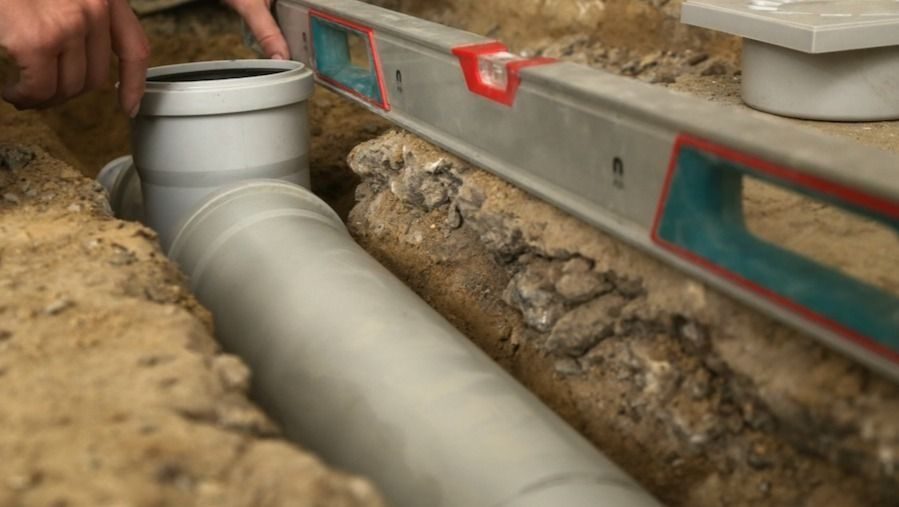
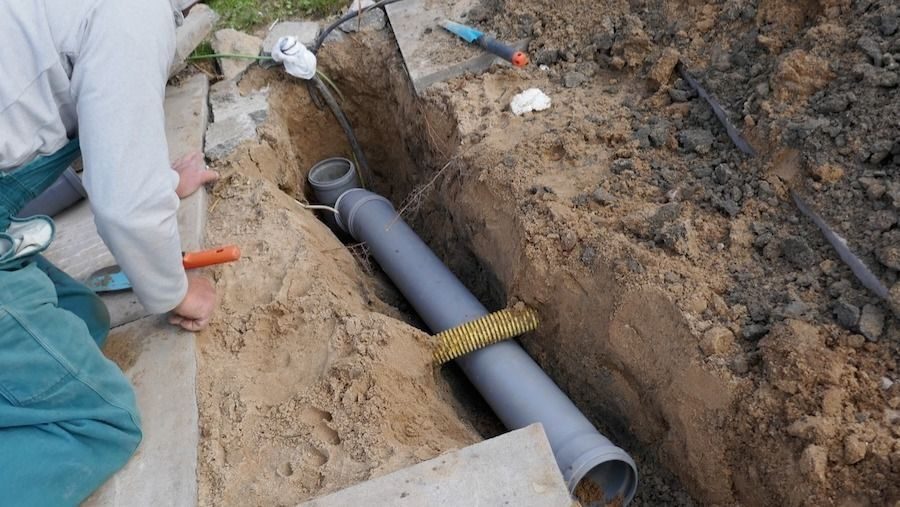
Your sewer line carries wastewater from your home to the public sewer system or another approved discharge point. When soil is saturated, sewer lines can experience additional stress from external pressure and increased water movement.
Heavy rain may reveal sewer line problems, such as:
If rainwater or groundwater enters a cracked sewer line, the system may become overloaded. If the public sewer system is also under strain, wastewater may have a harder time leaving the home. That can increase the risk of backups through basement drains, tubs, showers, or low fixtures.
Some plumbing symptoms become more noticeable after storms. That timing is important. If your drains only struggle after heavy rain, the issue may involve ground saturation, sewer line defects, or drainage problems around the home.
Watch for these warning signs:
One slow drain may be a local clog. Several slow drains after rain may point to a main line or sewer issue.
A pipe belly is a low spot in a sewer or drain line where wastewater collects instead of flowing smoothly. This often happens when soil under the pipe settles, washes out, or shifts.
Pipe bellies can cause:
Once a pipe loses proper slope, drain cleaning may only provide temporary relief. The clog may return because waste keeps collecting in the same low section. A sewer camera inspection can help confirm whether the line has a belly, standing water, or structural damage.
The Seattle area has plenty of mature trees, especially in established neighborhoods across Seattle, Renton, Bellevue, Kent, Shoreline, and surrounding communities. Tree roots naturally seek moisture. If a sewer line has a small crack or loose joint, roots may enter and grow inside the pipe.
After rain, root-related problems may become more noticeable because the line is already under extra stress.
Tree roots can cause:
Removing roots can temporarily restore flow, but if the pipe remains cracked, roots may return. That is why a camera inspection is important when clogs keep recurring.
Not every rain-related plumbing problem starts inside the sewer line. Yard drainage can also affect the home. If water flows toward the foundation rather than away from it, the soil around the home can remain saturated.
Poor drainage may lead to:
Homeowners should check how water moves during storms. Downspouts, driveway runoff, slopes, and low spots can all direct water toward areas where it creates problems.
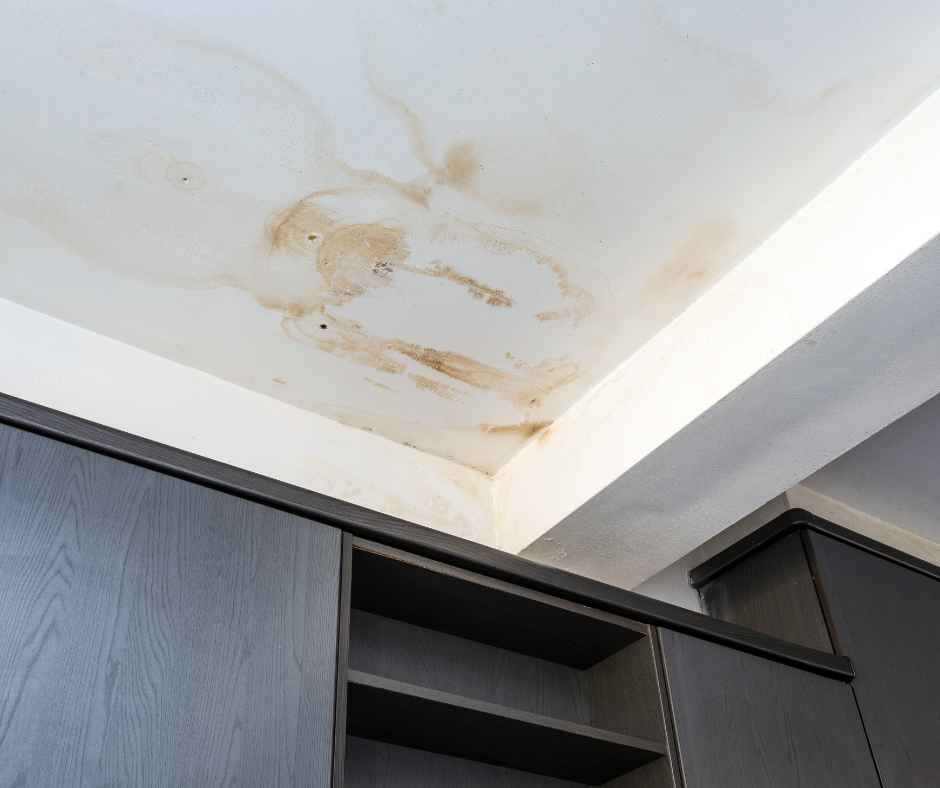
Rain can expose hidden plumbing issues that were already developing underground. If problems appear repeatedly after storms, it is time to look deeper.
Common post-rain plumbing concerns include:
A recurring pattern matters. If the same symptoms happen after every heavy rain, the system should be inspected before a larger backup or pipe failure occurs.
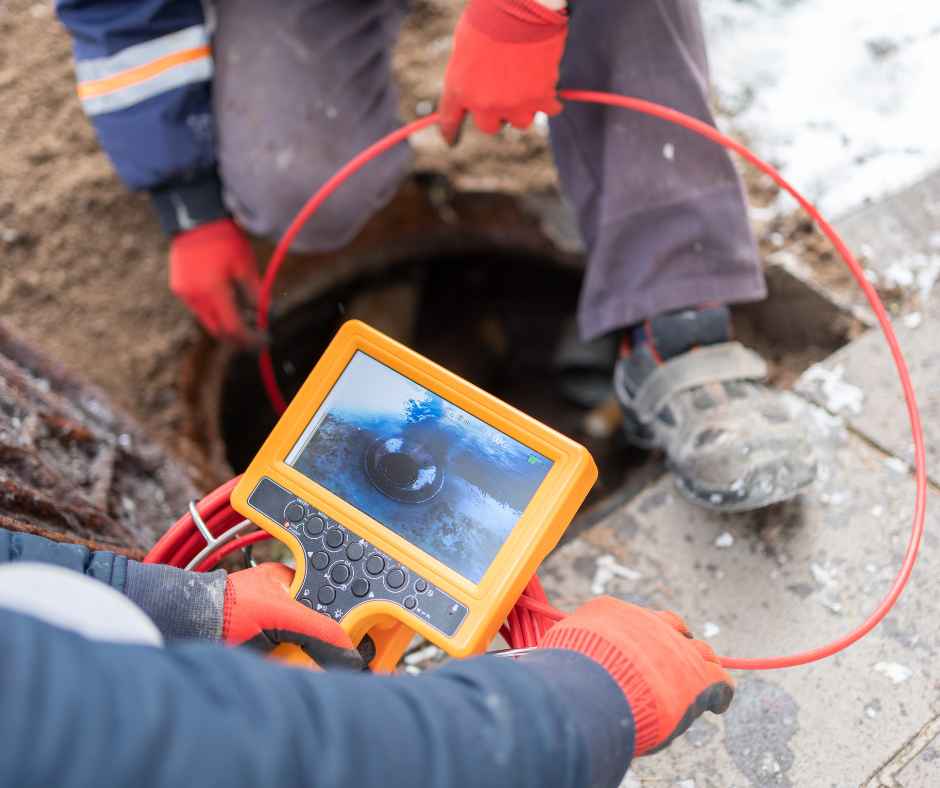
A sewer camera inspection is one of the best ways to understand what is happening underground. It allows a plumber to see the inside of the pipe and identify problems that cannot be confirmed from the surface.
A camera inspection can reveal:
This helps homeowners avoid guesswork. Instead of repeatedly clearing the same drain, a camera inspection can show whether the issue is a clog, pipe damage, soil movement, or a recurring structural problem.
There are a few safe things homeowners can observe after storms. These details can help a plumber diagnose the problem faster.
After heavy rain, check for:
Do not open cleanouts or attempt drain work if sewage is backing up. Stop using water and call for plumbing service.
Seattle-area homeowners cannot control the weather, but they can reduce the risk of rain-related plumbing problems with smart maintenance.
Helpful steps include:
The best time to address sewer and drainage problems is before the next storm puts the system under pressure again.
Homes in the Seattle area face a mix of older plumbing, mature trees, sloped lots, heavy rainfall, dense neighborhoods, and varied soil conditions. A plumbing issue in a historic Seattle home may look different from one in a newer property in Renton, Bellevue, Kent, Tacoma, or Snohomish County.
The Plumbing Joint understands local plumbing challenges, including:
Our team can inspect the symptoms, identify whether the issue is a drain clog or sewer line concern, and recommend the right next step.
If your drains slow down, toilets gurgle, sewer odors appear, or basement drains back up after heavy rain, your soil and sewer line may be telling you something important. Saturated soil can add pressure around underground plumbing, expose weak pipe joints, worsen root intrusion, and reveal sewer line damage that should not be ignored.
Contact The Plumbing Joint today if your Seattle-area home has recurring drain issues after rain. Our team can inspect your plumbing, perform sewer camera diagnostics when needed, and help protect your home before the next storm turns a small warning sign into a major backup.