Serving Renton, Seattle
the East Side & Beyond!
the East Side & Beyond!
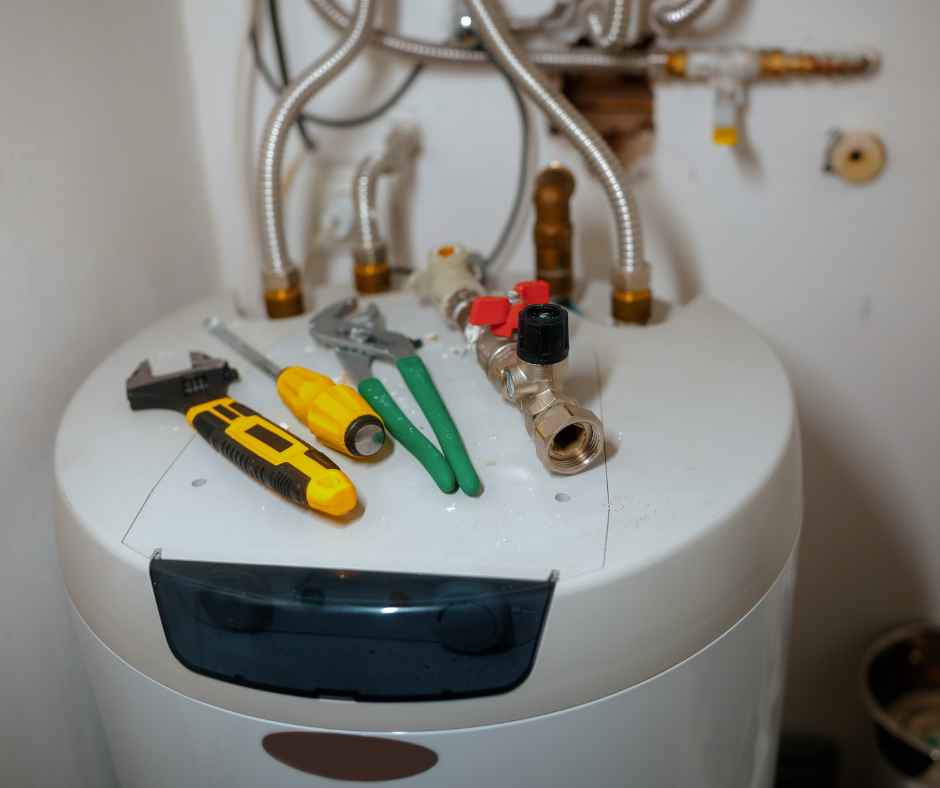
Nothing’s more frustrating than stepping into a hot shower on a cold Renton morning, only to have the water turn lukewarm before you’re finished. If your hot water seems to run out faster in winter, you may be wondering whether your water heater is failing or whether colder temperatures are to blame.
For homeowners throughout Renton, Seattle, and surrounding Puget Sound communities, winter can put extra strain on household water heaters. Colder incoming water, increased hot water usage, and existing equipment problems can all contribute to shorter showers and inconsistent temperatures.
In this guide, we’ll explain why your hot water may run out faster during Renton winters, explore common water heater problems, and discuss when professional repairs or replacement may be necessary.
In winter, the water entering your home’s plumbing system may be colder than in warmer months. Your water heater must use additional energy to bring that incoming water up to the desired temperature.
For example, heating water from 45°F to 120°F requires more energy than heating water from 60°F to 120°F. This difference can affect how quickly your water heater replenishes its available hot water supply.
Traditional tank water heaters store a limited amount of heated water. As hot water leaves the tank, colder replacement water enters, and the system must heat it before it’s ready for use.
When incoming water is colder, the heater may take longer to recover between showers or other high-demand activities. This can make an otherwise functional water heater seem less capable during winter.
Tankless water heaters can also see seasonal performance changes. Because they heat water as it flows through the equipment, colder incoming water may reduce the maximum flow rate the system can provide at the desired temperature.
Sometimes, running out of hot water isn’t caused by equipment failure. Your household may simply be using more hot water than the system can provide at one time.
During Renton’s colder months, longer showers and increased household activity can put extra demand on your water heater. Holiday visitors or changes in daily routines may also increase consumption.
Common situations that can exhaust available hot water include:
Back-to-back showers: Multiple people showering without enough recovery time between uses.
Simultaneous appliance use: Running the dishwasher or washing machine while someone showers.
Longer winter showers: Longer showers increase total hot water use.
Additional household members: Guests or changes in occupancy can increase demand.
High-flow fixtures: Certain showerheads and faucets use more hot water than efficient alternatives.
A traditional water heater’s capacity depends on more than its tank size. Its first-hour rating reflects how much hot water it can deliver during an hour of typical operation, accounting for stored water and recovery.
If your household regularly exceeds that capacity, you may experience hot water shortages even when the equipment is functioning correctly.
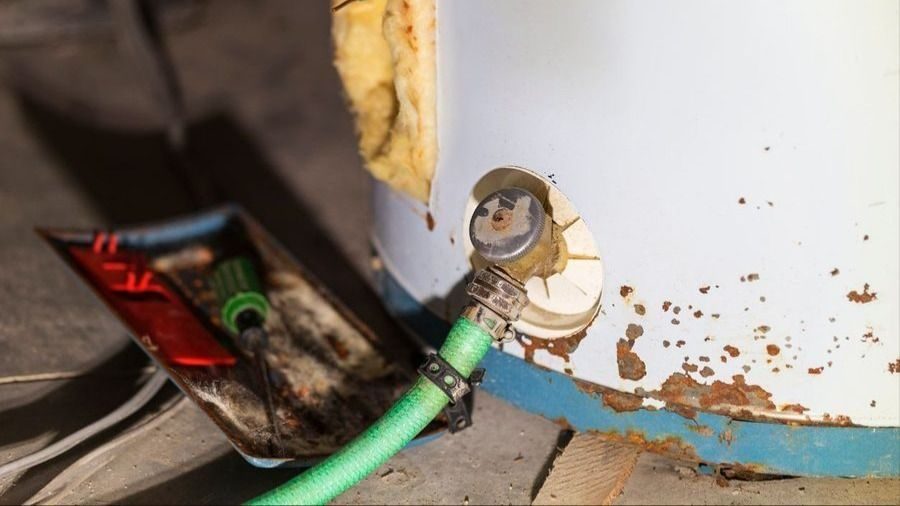
Over time, minerals and other particles can accumulate at the bottom of traditional tank water heaters. This buildup may reduce heating performance and cause unusual operating noises.
In gas water heaters, sediment buildup can interfere with heat transfer between the burner and the stored water. Electric models may also experience performance issues associated with mineral deposits around heating components.
Although sediment doesn’t always noticeably reduce usable tank capacity, significant buildup can reduce efficiency and cause other equipment problems.
Possible signs of sediment-related concerns include:
Popping or rumbling noises during heating.
Longer recovery times between hot water uses.
Declining heating performance.
Unusual sounds that become more noticeable over time.
Reduced reliability in an aging water heater.
These symptoms don’t automatically confirm sediment buildup. Heating component problems and other mechanical issues can produce similar results.
Professional maintenance may help address sediment accumulation when appropriate for the water heater’s condition and manufacturer recommendations. Evaluate older equipment before attempting flushing or other maintenance procedures.
If your water heater suddenly provides less hot water than before, a malfunctioning component may be to blame. This is especially true if household usage hasn’t changed significantly.
Electric tank water heaters commonly use heating elements and thermostats to maintain the desired water temperature. When one of these components fails, the system may struggle to heat enough water.
For example, a failed lower heating element in certain electric water heaters can significantly reduce usable hot water. The system may still produce some hot water, but it may run out much sooner than expected.
Thermostat problems can also interfere with temperature regulation. Depending on the failure, water may not reach the intended temperature or may fluctuate unexpectedly.
Gas water heaters can have problems with burners, gas controls, or other heating components. These issues may reduce heating performance or prevent the system from operating properly.
Because water heaters contain electrical components, pressurized water, and potentially gas connections, qualified professionals should handle internal repairs.
A water heater that once provided enough hot water may no longer meet your household’s needs. This can happen when family routines change, additional people move into the home, or water usage increases.
An undersized system may struggle during periods of heavy demand, particularly when colder incoming water increases heating requirements.
Equipment age can also affect performance. Traditional tank water heaters typically last about 8 to 12 years, though actual lifespan varies with maintenance, water conditions, installation quality, and usage.
As components wear, the system may become less reliable or require more frequent repairs. However, age alone doesn’t mean a water heater needs replacement.
Homeowners should consider several factors when evaluating an older system:
Whether hot water availability has declined significantly.
How frequently the equipment requires repairs.
Whether the tank shows signs of corrosion or leakage.
Whether household hot water demand has increased.
Whether the current system is appropriately sized.
A professional plumber can evaluate your equipment and determine whether repairs, maintenance, or replacement offers the best long-term solution.
Not every hot water shortage originates inside the water heater. Certain plumbing problems can affect the temperature or amount of hot water reaching household fixtures.
For example, a malfunctioning shower mixing valve may allow too much cold water into the flow, making it seem like the water heater is running out of hot water.
A plumbing crossover can cause similar symptoms when cold water enters the hot-water distribution system through a faulty fixture or valve.
Hot water leaks can also reduce availability. If heated water escapes through a concealed plumbing leak, the water heater may need to run more often to maintain supply.
The problem’s location can provide useful clues. If only one shower experiences temperature fluctuations, the issue may involve that fixture rather than the water heater.
However, when multiple faucets and showers experience the same problem, a system-wide issue becomes more likely. Professional plumbing diagnostics can identify the source and prevent unnecessary water heater replacement.
If your hot water supply seems insufficient during winter, several practical adjustments may help improve availability. Some involve changing household routines, while others require professional maintenance.
Start by noting when hot water shortages occur. If the problem happens only during back-to-back showers or when you use multiple appliances at once, household demand may exceed the system’s capacity.
Consider these steps:
Space out hot water use: Allow time for the heater to recover between showers, laundry, and dishwashing.
Install efficient showerheads: Lower-flow fixtures can reduce hot water consumption.
Check for plumbing leaks: Fix dripping hot-water fixtures and other visible leaks.
Schedule water heater maintenance: A professional can identify sediment buildup and component issues.
Evaluate household demand: Determine whether your current water heater meets your family’s needs.
Consider pipe insulation: Insulating accessible hot water piping where appropriate may reduce heat loss.
Avoid increasing your water heater’s temperature simply to make hot water last longer. Higher temperatures increase scalding risks, so follow manufacturer recommendations and use appropriate safety precautions.
If performance has declined unexpectedly, a professional evaluation is better than repeatedly adjusting equipment settings.
Occasional hot water shortages during periods of heavy household use may reflect normal capacity limitations. However, sudden or persistent performance changes deserve professional attention.
Contact a plumber if your hot water supply has decreased significantly, temperatures fluctuate throughout the home, or the water heater makes unusual noises. Visible leaks, corrosion, and repeated equipment problems are additional reasons to schedule service.
Some issues, such as faulty heating elements, thermostats, or plumbing components, may be repairable. Others may indicate that an aging or undersized water heater no longer fits your household.
A professional inspection can determine whether the problem involves equipment performance, plumbing distribution, or increased demand. This information can help you decide whether repair or replacement makes the most sense.
Running out of hot water during Renton’s colder months can be frustrating, but the problem doesn’t always mean your water heater is failing. Colder incoming water, increased household demand, sediment buildup, and malfunctioning components can all affect hot water availability.
At The Plumbing Joint, we help homeowners throughout Renton, Seattle, and surrounding communities identify water heater problems and restore dependable hot water. Our team can evaluate your equipment, diagnose plumbing-related issues, and recommend appropriate repairs or replacement solutions.
Whether your showers are getting shorter or your water heater is struggling to keep up with household demand, professional service can help you find the cause. Contact The Plumbing Joint today to schedule water heater repair or maintenance and enjoy more reliable hot water throughout the winter.