Serving Renton, Seattle
the East Side & Beyond!
the East Side & Beyond!

Waking up on a freezing winter morning in Renton Highlands only to discover that your faucets aren’t producing water can be alarming. While winters in Western Washington are generally milder than those in many other parts of the country, overnight freezing temperatures can still create serious plumbing problems. For homeowners with exposed or poorly insulated water lines, a sudden cold snap may be enough to freeze pipes and interrupt household water service.
Frozen pipes can prevent water from reaching your faucets and, in some situations, lead to burst pipes and extensive water damage. However, losing water during freezing weather doesn’t automatically mean your pipes are frozen, and identifying the cause is essential before taking action.
In this guide, we’ll explain why pipes freeze during Renton winters, how to recognize warning signs, what to do when your water stops working, and when professional frozen pipe repair may be necessary.
Renton Highlands experiences relatively mild winters compared with colder inland regions, but temperatures can still drop below freezing. When cold weather persists overnight, water in vulnerable plumbing lines may begin to freeze, particularly in areas without adequate insulation or heating.
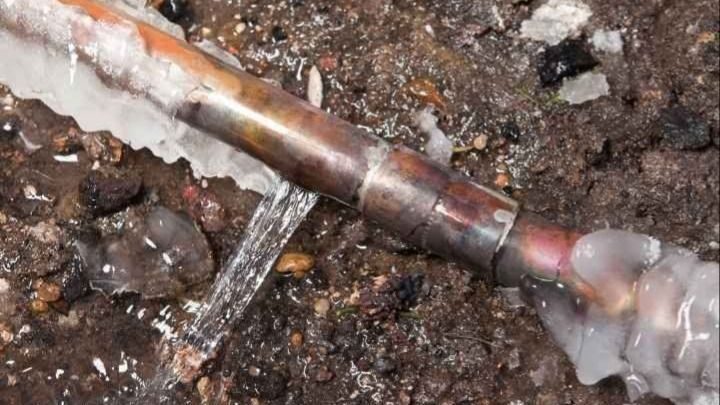
As water freezes, it expands and can create an ice blockage inside the pipe. Pressure may build between that blockage and a closed faucet or other restriction, potentially causing the pipe to rupture.
Common locations where pipes may freeze include:
Unheated crawl spaces: Water lines beneath the home may be exposed to cold outdoor air.
Garages: Plumbing running through unheated garages can become vulnerable during freezing weather.
Exterior walls: Pipes located near poorly insulated wall cavities may experience lower temperatures.
Outdoor faucets: Hose connections and exposed exterior plumbing are particularly susceptible to freezing.
Utility spaces: Plumbing near drafts or openings may lose heat more quickly.
Poorly insulated pipe runs: Water lines without adequate protection can freeze during prolonged cold conditions.
Homes throughout Renton Highlands have different plumbing layouts, construction materials, and insulation conditions. While older properties may have vulnerable plumbing configurations, even newer homes can experience frozen pipes when water lines are exposed to sufficiently cold temperatures.
Understanding where your home’s plumbing is located can help you identify areas that may need additional winter protection.
One of the most noticeable signs of frozen pipes is reduced or completely interrupted water flow. You might turn on a bathroom faucet and find only a small trickle, or no water at all.
However, frozen pipes aren’t the only possible explanation for a loss of water. Utility interruptions, closed valves, plumbing leaks, and other water supply problems can produce similar symptoms.
Common warning signs of frozen pipes include:
No running water: A faucet suddenly stops producing water after freezing temperatures.
Reduced water pressure: Water flows much more slowly than normal.
Visible frost: Exposed plumbing develops frost or ice along its surface.
Extremely cold pipes: Accessible water lines feel unusually cold.
Localized water loss: One fixture stops working while others continue operating.
Unusual plumbing sounds: Changes in water flow may produce unfamiliar noises.
Unexpected leaks: Water begins appearing around plumbing as temperatures rise.
If only one faucet is affected, the problem may involve a nearby branch line. If the entire home has no water, a frozen main supply line or a broader water service interruption may be responsible.
Homeowners should check multiple fixtures before assuming the cause. If nearby properties are also without water, checking for a reported utility interruption may help identify the problem.
When you wake up without running water during freezing weather, responding carefully can help reduce the risk of additional plumbing damage. First, determine whether the problem involves frozen pipes, a water service interruption, or an existing leak.
Take these steps if your Renton Highlands home suddenly loses water:
Check multiple faucets: Determine whether the problem affects one fixture, several fixtures, or the entire house.
Look for utility interruptions: If all water service has stopped, check whether your water provider has reported an outage.
Locate your main water shutoff valve: Know how to stop the water supply if a pipe begins leaking.
Inspect accessible plumbing: Look for frost, visible damage, moisture, or unusual changes around exposed pipes.
Keep your home heated: Maintain safe indoor temperatures to help prevent additional freezing.
Avoid forcing frozen plumbing: Never strike pipes or attempt to break ice using tools.
Contact a professional when necessary: Seek help if the frozen section is inaccessible, damage is suspected, or you can’t safely restore water service.
If you discover an active leak or burst pipe, shut off the main water supply immediately if you can do so safely. This can help limit additional water damage while you arrange professional plumbing repairs.
Homeowners should also avoid entering flooded areas where electrical equipment, outlets, or wiring may be exposed to water. Electrical hazards can make an already serious plumbing emergency more dangerous.
Some accessible frozen pipes may be thawed using gentle, controlled warming methods. However, homeowners should proceed cautiously because thawing can reveal damage that occurred while the pipe was frozen.
If a pipe is visibly cracked, leaking, or located in an inaccessible area, professional assistance is the safer option. The same applies when electrical hazards or significant water damage are present.
For accessible, undamaged plumbing, gradually warming the surrounding area may help restore water flow. Opening cabinet doors beneath sinks can let warmer indoor air circulate around pipes near exterior walls.
A hair dryer may be used cautiously on an exposed pipe when the surrounding area is completely dry and it is safe to use electricity. Warm towels can also provide gentle heat to certain accessible sections of plumbing.
Homeowners should never use propane torches, open flames, boiling water, or unattended portable heaters to thaw frozen pipes. Excessive heat can damage plumbing materials, create fire hazards, or cause injuries.
If a faucet is connected to the suspected frozen section, opening it slightly may help relieve pressure and allow water to flow as the ice melts. However, homeowners should monitor the plumbing closely and be prepared to shut off the water if a leak develops.
If you’re unsure where the frozen section is located or cannot safely access it, avoid attempting further thawing. Professional frozen pipe repair can help identify the problem and reduce the risk of additional damage.
Frozen pipes don’t always burst, but an ice blockage can create enough pressure to rupture vulnerable sections of plumbing. In some cases, the damage isn’t immediately visible because ice temporarily restricts water flow.
Once temperatures rise and the ice begins melting, water may escape through the damaged section. This can lead to flooding inside walls, ceilings, crawl spaces, or other areas of the home.
Warning signs of a burst pipe include:
Visible water leaks: Water dripping or spraying from exposed plumbing.
Unexpected puddles: Water collecting beneath sinks or near plumbing lines.
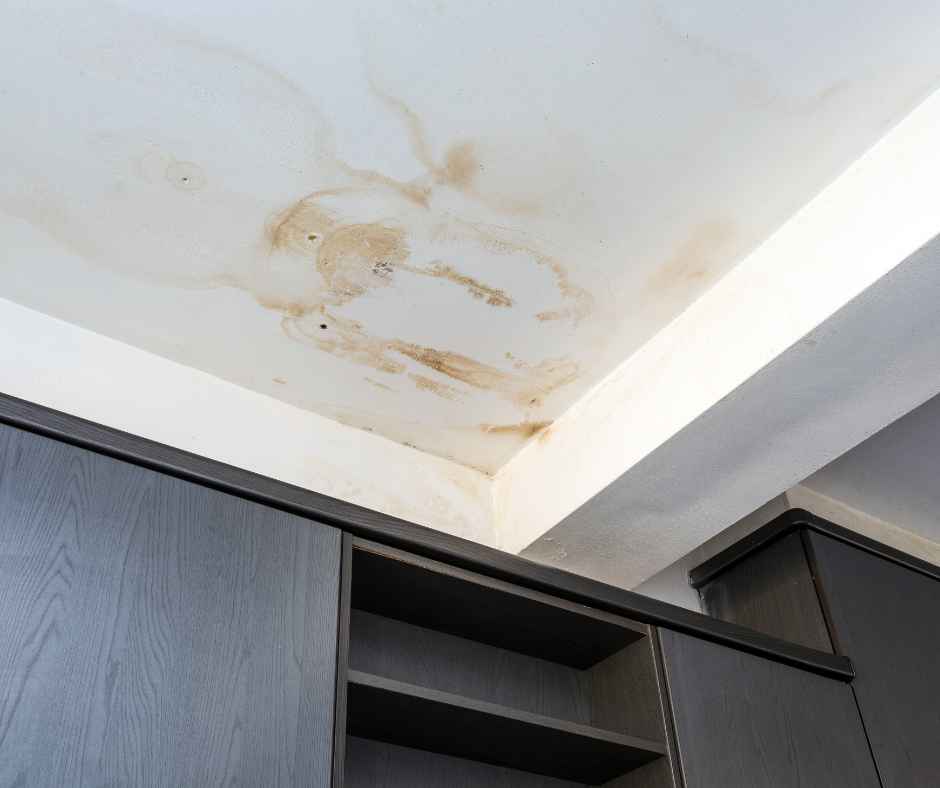
Wet walls or ceilings: Moisture appearing in areas where water lines may be located.
Water stains: New discoloration on drywall, flooring, or ceilings.
Running water sounds: Water movement continuing when fixtures aren’t being used.
Sudden pressure changes: Unexpected changes in water flow throughout the home.
If you suspect a pipe has burst, turn off the main water supply immediately when safe to do so. Avoid electrical hazards, keep people away from affected areas, and contact a qualified plumber.
Even a relatively small pipe rupture can cause significant damage if water continues flowing unnoticed. Prompt repairs and proper water-damage cleanup can reduce the risk of further structural problems.
Not every frozen pipe requires extensive repairs, but certain situations call for professional attention. Homeowners should avoid attempting unfamiliar plumbing repairs, especially when water lines are hidden inside walls or located near electrical components.
Professional help is especially important when a pipe has burst, water is actively leaking, or the entire home has no running water. Repeated freezing problems may also indicate insulation gaps or plumbing configurations that require evaluation.
A plumber can help identify the affected water line, inspect accessible plumbing for damage, and determine whether repairs are necessary. Depending on the situation, service may involve locating a frozen section, evaluating damaged components, or replacing compromised piping.
For Renton Highlands homeowners, acting quickly when plumbing damage is suspected can help prevent a manageable problem from becoming a more disruptive emergency.
If water service cannot be safely restored or you find evidence of a burst pipe, professional plumbing help is the right next step.
Preparing your plumbing before freezing temperatures arrive can help reduce the likelihood of winter water interruptions. Although no prevention method guarantees that pipes will never freeze, protecting vulnerable areas can make a meaningful difference.
Practical ways to reduce frozen pipe risks include:
Insulate exposed pipes: Add appropriate insulation to vulnerable water lines in crawl spaces, garages, and other unheated areas.
Disconnect garden hoses: Remove hoses from outdoor faucets before freezing weather.
Protect exterior faucets: Use appropriate freeze protection for outdoor plumbing fixtures.
Seal cold-air gaps: Address openings that allow freezing air to reach plumbing.
Maintain indoor heating: Keep the home adequately heated during cold weather.
Open cabinet doors when appropriate: Allow warm indoor air to circulate around plumbing near exterior walls.
Locate the main shutoff valve: Make sure household members know how to stop the water supply.
Monitor freeze warnings: Prepare vulnerable plumbing before overnight temperatures drop.
Schedule plumbing evaluations: Have recurring freezing problems inspected by a professional.
Some homeowners let vulnerable faucets drip during freezing weather to keep water moving. However, this is only a temporary precaution and shouldn’t replace proper insulation or winter plumbing preparation.
For Renton Highlands homes with crawl spaces or exposed plumbing, identifying vulnerable water lines before winter can help reduce the likelihood of unexpected water loss during the next cold snap.
Waking up without running water during a cold Renton morning can be stressful, especially when frozen pipes or plumbing damage may be responsible. Knowing the warning signs, checking for water service interruptions, and avoiding unsafe thawing methods can help protect your home while you decide on next steps.
At The Plumbing Joint, we understand the challenges that freezing temperatures can create for homeowners throughout Renton Highlands, Renton, and surrounding King County communities. Whether you’re dealing with frozen water lines, reduced water pressure, or a suspected burst pipe, quickly identifying the problem is essential to restoring dependable plumbing.
If your home has lost water during freezing weather or you’re concerned about possible pipe damage, contact The Plumbing Joint today. Our team can help evaluate your plumbing concerns and recommend appropriate solutions to restore your water service and protect your home from additional winter plumbing problems.